For Families
Loneliness in Later Life: Why It Matters and How to Help
Loneliness isn't just sad — it carries health risks comparable to smoking. Understanding it is the first step to helping an older parent or client feel connected again.
· 3 min read
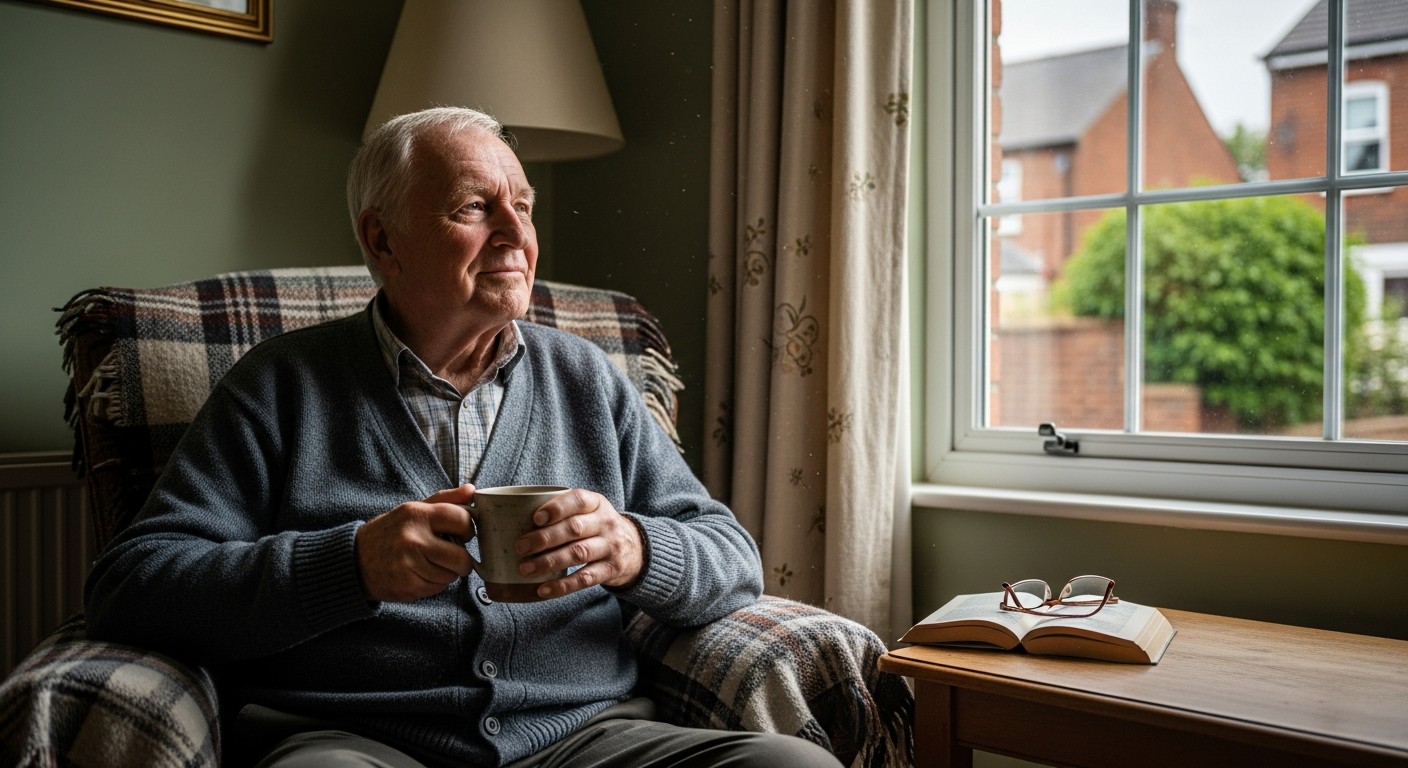
We often treat loneliness as an unfortunate but harmless part of growing older. The medical evidence says otherwise. Chronic loneliness is associated with significantly higher risks of heart disease, severe depression, cognitive decline, and earlier death — some studies place its impact on par with smoking. It is a genuine health issue, not simply an emotional state.
Helping an older parent or client feel connected again starts with understanding why later life leaves them so exposed to it.
Why later life is especially vulnerable
Retirement, bereavement, reduced mobility, and social circles that shrink as friends pass away all chip away at the social contact that once happened naturally. For someone who can no longer easily drive or get out to the shops, days can pass with no real conversation at all. Isolation slowly becomes the norm.
What actually helps
Breaking the cycle usually takes more than one thing:
- Predictability matters. Regular, dependable contact — something to look forward to — often matters as much as the contact itself.
- Easy ways in. Help connect them to local community groups, lunch clubs, or befriending services, where it's easy to walk in and feel welcome.
- Shared activities, not just check-ins. A walking group, an adult education class, or a local hobby club gives a natural reason for conversation.
- Technology that fits them. Use tools that make conversation easier, in a way that suits their comfort level and existing habits.
The value of being heard
Sometimes the most powerful thing isn't solving a problem — it's simply a warm, unhurried conversation where an older adult feels completely listened to. A friendly daily chat can't replace deep human relationships, but on the quiet days in between, it can be the difference between feeling forgotten and feeling genuinely thought of.
Shifting the daily routine
Loneliness doesn't always need an expensive or complicated fix. When someone is ageing independently, all that's often missing is a gentle daily touchpoint.
Jules Daily acts as that daily anchor. By checking in every day via a familiar, cheerful WhatsApp message, we provide a reliable connection that respects their autonomy and independence. No new devices to master, and no red panic buttons required.
For you, it means knowing how their day went without carrying the worry of checking in constantly yourself. We keep your loved one connected, and let you know straight away if their mood dips.
- Ready to fill the gaps between visits? Try Jules Daily free
- Managing a wider care network? Get in touch